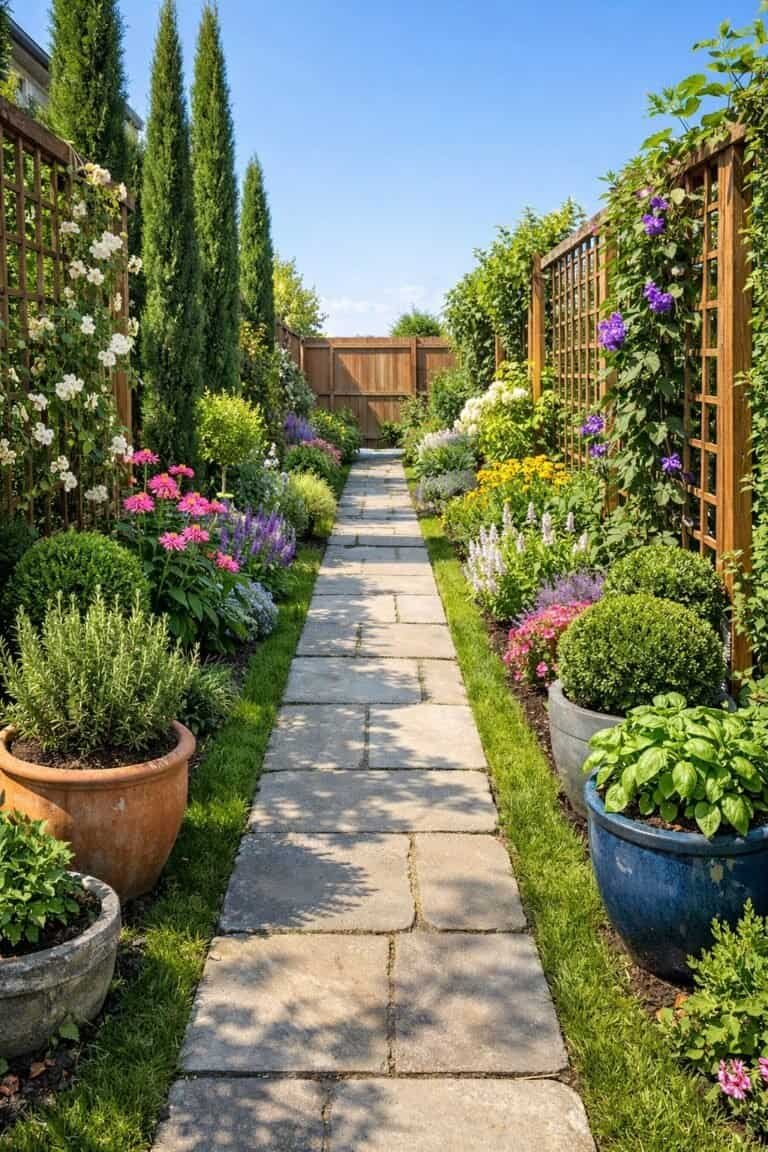
Small Garden Ideas for Tight Spaces: Creative Ways to Maximize Your Outdoor Area
A small yard or balcony doesn’t mean you have to give up on your gardening dreams. Lots of people assume limited square footage equals limited options, but honestly, that’s just not true.
You can turn even the tightest outdoor areas into beautiful green spaces with smart design choices and creative planning.
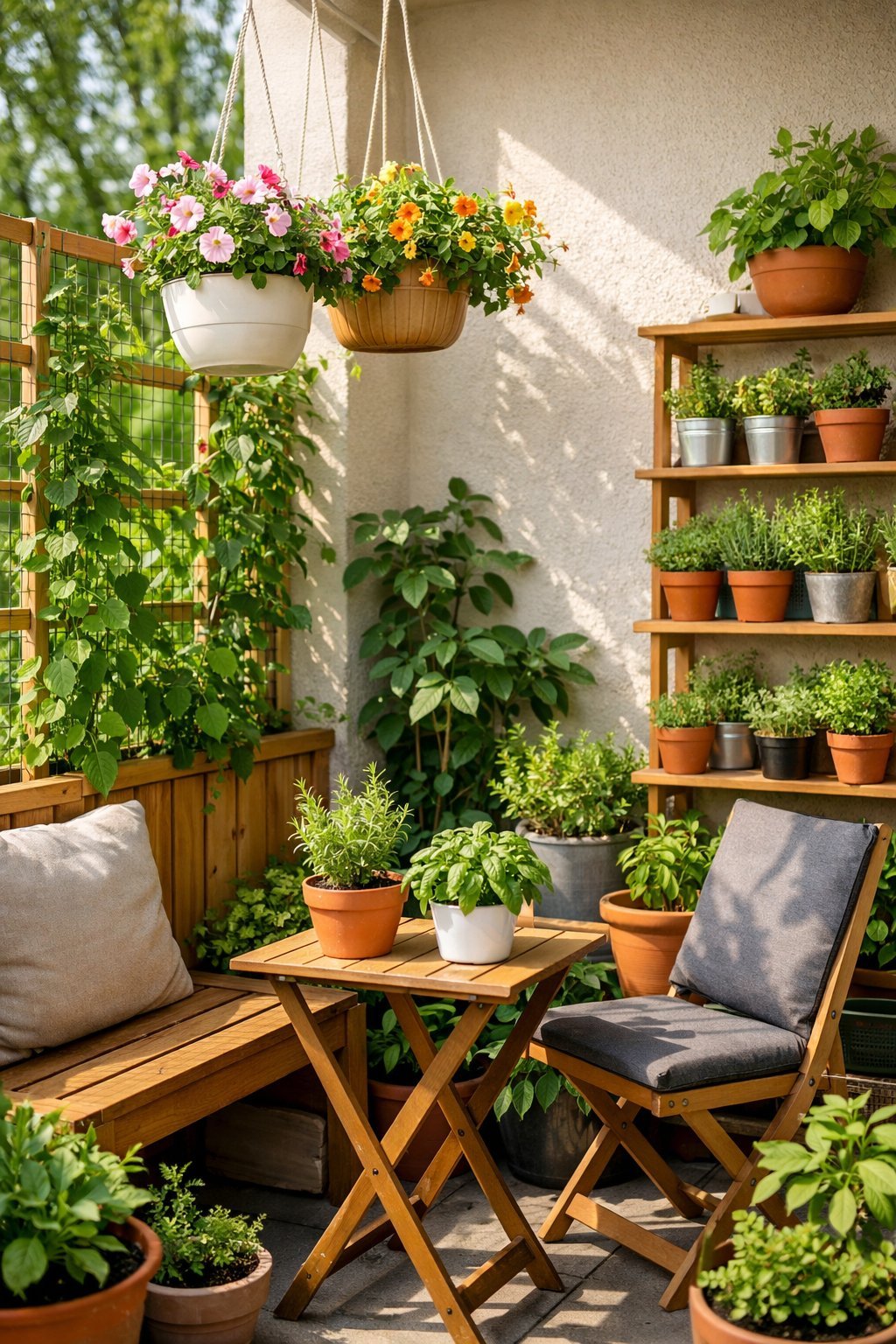
The key is to work with what you have, not against it. Small space gardening pushes you to think differently about every inch.
You’ll need to look up, not just out, and find ways to add plants without making your space feel crowded.
Your small garden can become a peaceful retreat that fits your lifestyle and budget.
The right mix of vertical solutions, clever furniture, and properly sized plants will help you create an outdoor area you’ll actually want to hang out in.
As an Amazon Associate I earn from qualifying purchases.
Table of Contents
1. Vertical gardens to save floor space
You can grow more plants by using your walls instead of your floor.
Vertical gardens work well for balconies, patios, and small yards where ground space is limited.
Wall planters, hanging pockets, and trellises let you grow herbs, vegetables, and flowers upward. That frees up valuable floor space and creates a green wall.
Growing plants vertically transforms cramped areas into productive gardens. Suddenly, your tiny balcony feels like a lush growing space.
2. Using tiered plant stands for layers
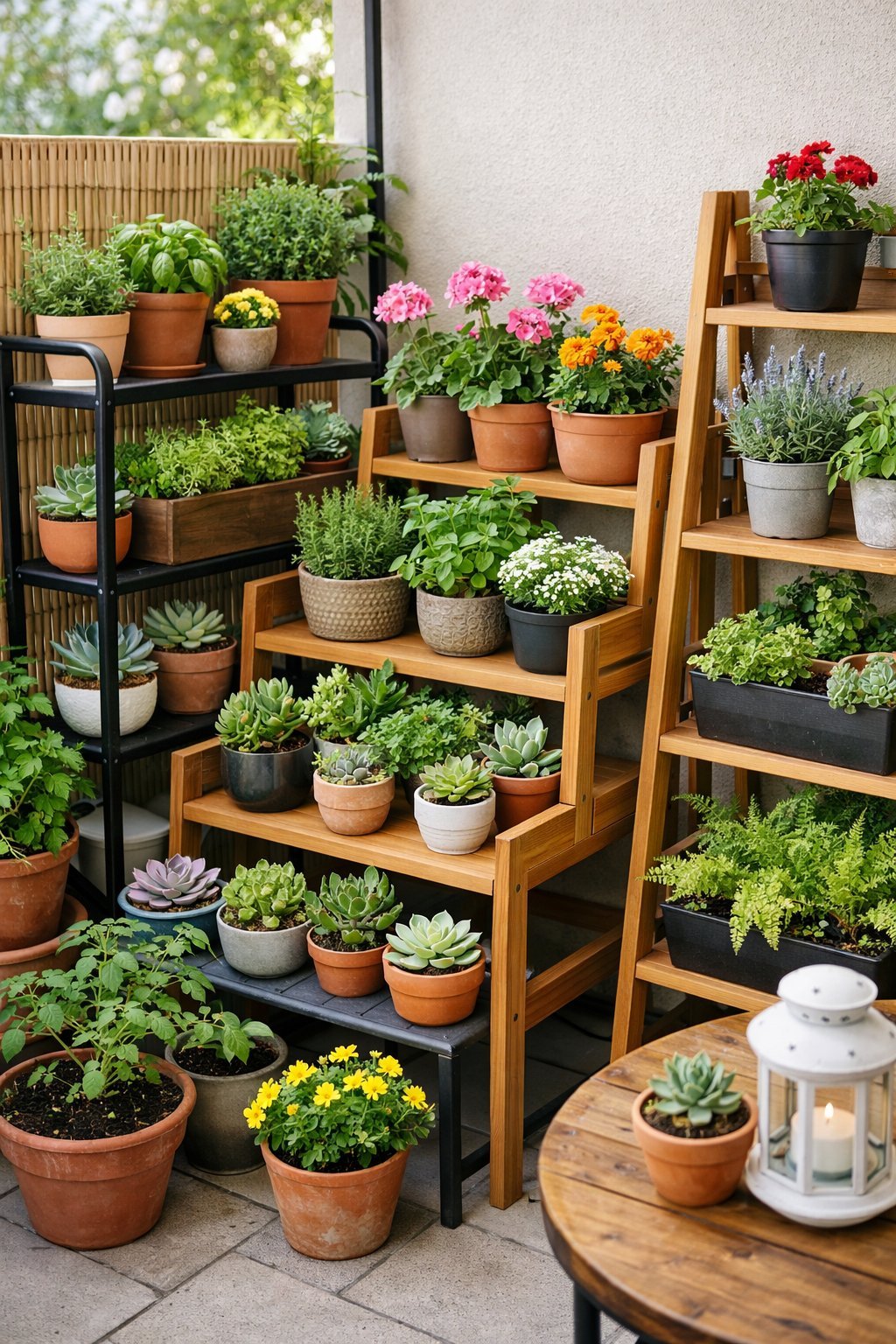
Tiered plant stands help you fit more plants when you don’t have much floor space.
These stands stack plants vertically, so you can squeeze several pots into the area where just one would normally sit.
You can use ladder-style stands to display herbs and small flowers together.
Each level gets different amounts of light, which is handy if your plants have different needs.
Tiered stands work both indoors and outdoors.
You can mix flowers, succulents, or even a few small vegetables on the same stand.
3. Hanging planters for adding greenery up high
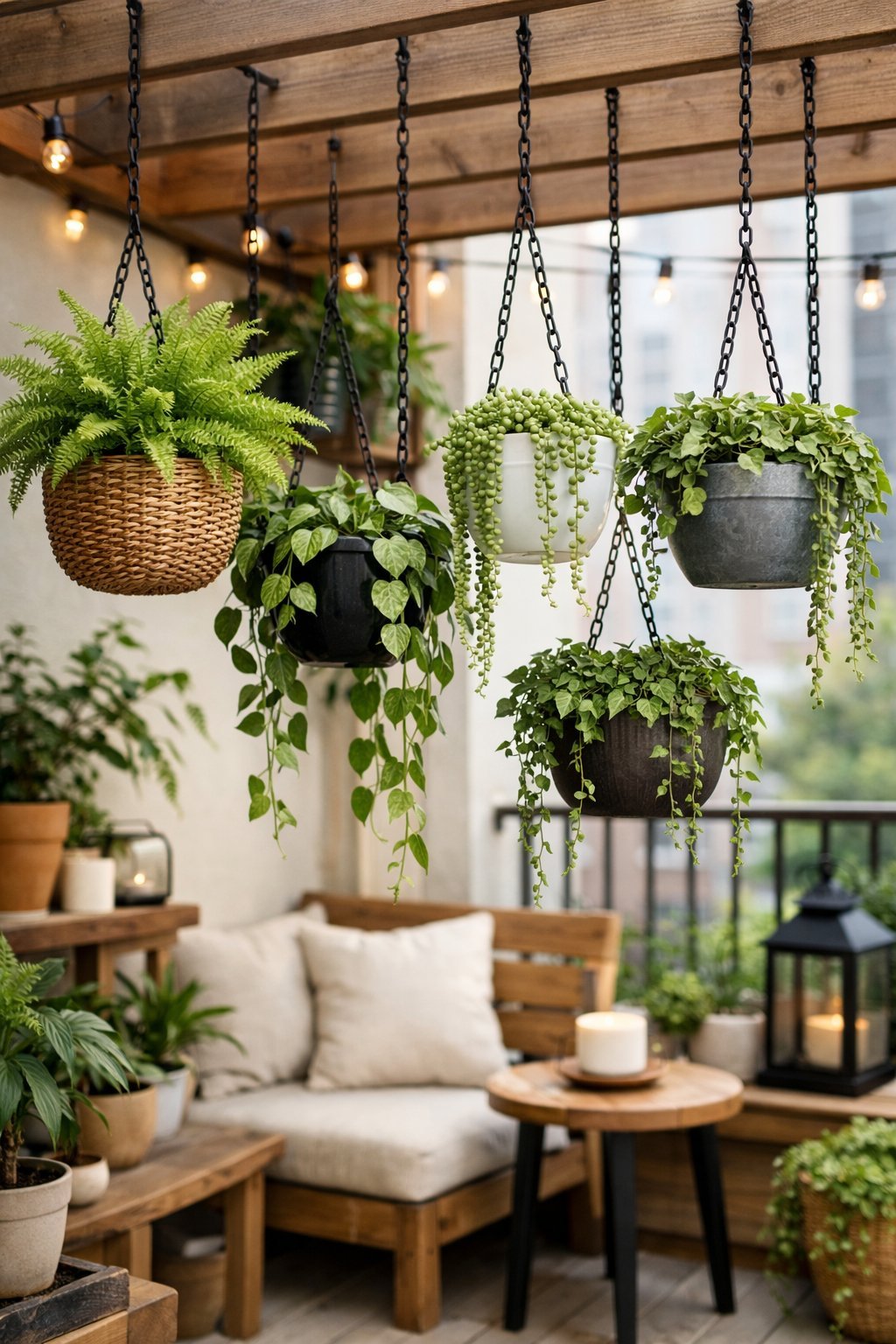
When floor space is tight, hanging planters add greenery without taking up space on your shelves or tables.
You can hang plants from ceiling hooks, wall brackets, or even shepherd’s hooks to create vertical interest.
Hanging plants work well in small spaces because they use areas you might overlook.
They draw your eyes upward and make the whole room feel a bit bigger.
Try macrame hangers if you want a relaxed look, or simple metal planters for a modern vibe.
Grouping several at different heights can create a really cool living display.
4. Optical illusions with mirrors to enlarge the space
Mirrors can make your small garden feel much bigger than it really is.
They create illusions of depth that trick your eye into seeing more space.
Place a mirror on a fence or wall to reflect your plants and the sky. This doubles the visual area of your garden instantly.
You can also position mirrors to reflect green areas, making it look like your garden continues beyond its borders.
Just be careful with the angle so birds or wildlife don’t get confused.
5. Installing narrow raised garden beds
Narrow raised beds work perfectly when you’re dealing with tight spaces.
You can fit them along fences, walkways, or in any slim area of your yard.
These space-saving designs help you grow more plants without taking up much room.
Build your beds about 2 to 3 feet wide so you can reach the center easily.
Keep them long and skinny to maximize your growing area while fitting into those awkward spots around your home.
6. Incorporating multi-functional garden furniture
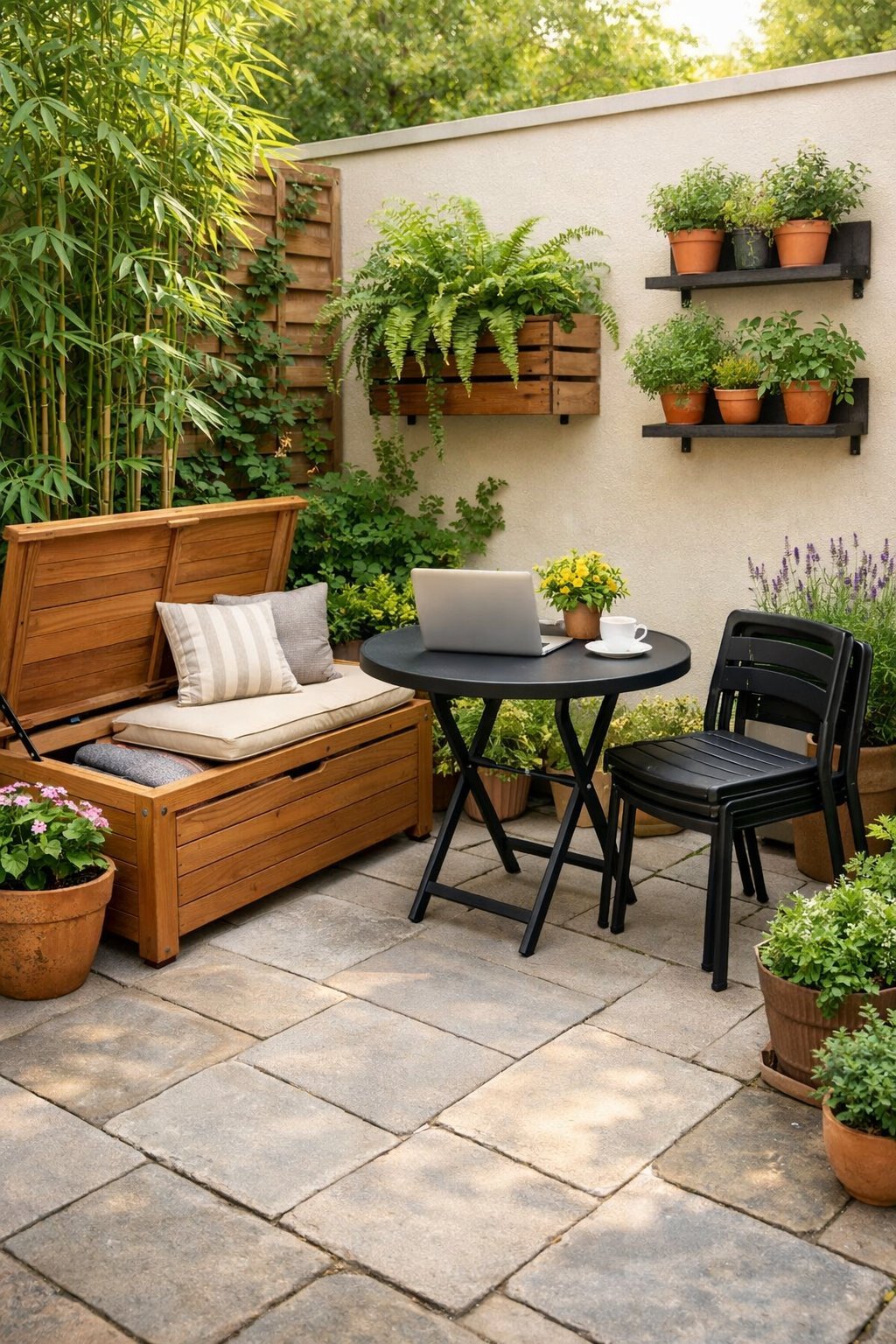
When space is limited, your furniture needs to work harder.
Look for pieces that serve multiple purposes at once.
A storage bench gives you seating while hiding garden tools and supplies inside.
Folding tables and chairs tuck away when you don’t need them.
Some planters even double as side tables or room dividers.
Multi-functional furnishings let you enjoy different activities without crowding your garden.
You can relax, dine, and store stuff all in the same small area.
7. Choosing dwarf and compact plant varieties
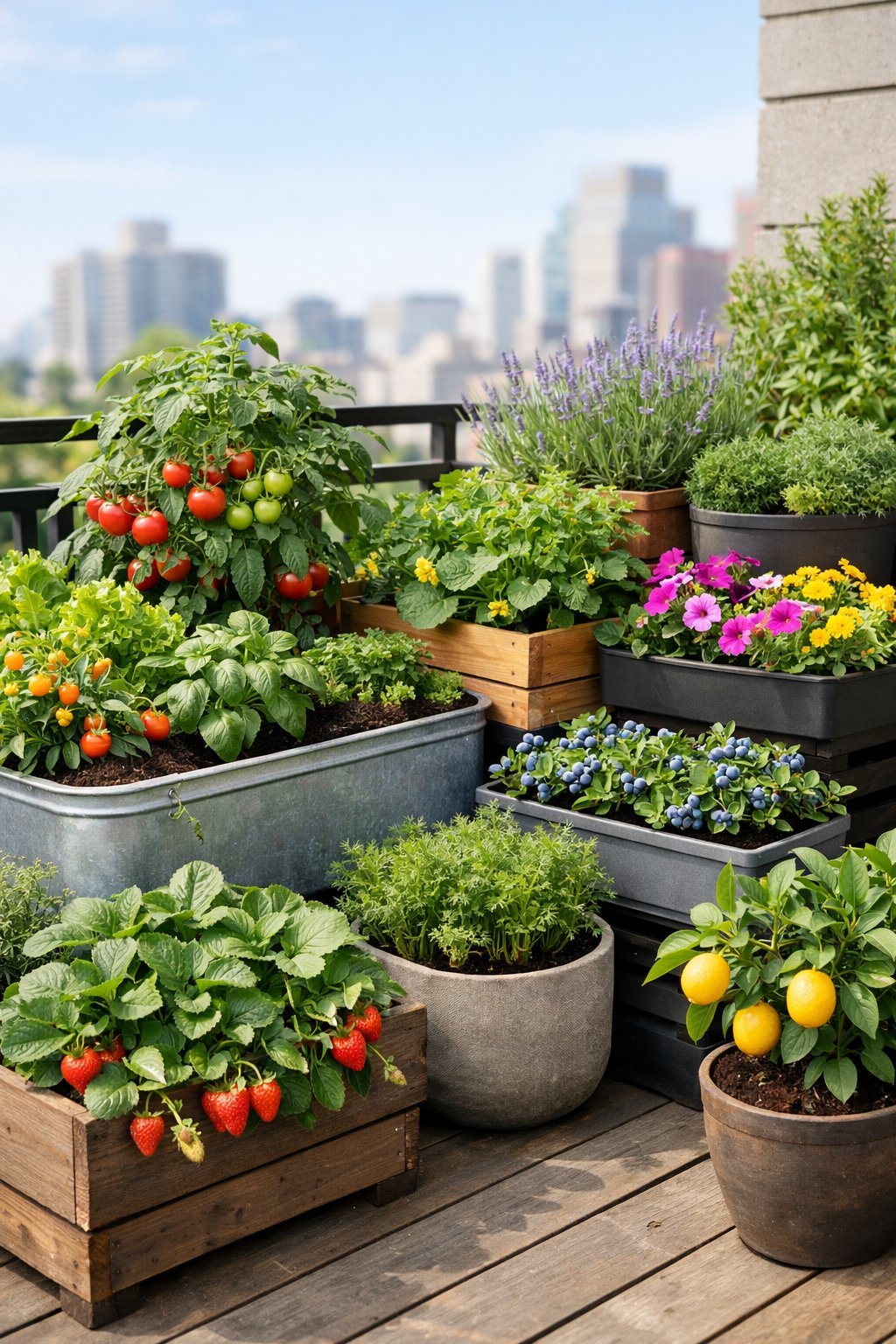
Dwarf plant varieties let you grow your favorite flowers and shrubs without taking up too much room.
You can find compact versions of popular plants like hydrangeas, roses, and ornamental grasses that stay small but still look great.
These smaller plants work well in containers, borders, and narrow garden beds.
Dwarf fruit trees like miniature apples, peaches, and citrus give you fresh produce—no big yard needed.
Look for plants labeled as dwarf, compact, or miniature when you shop at garden centers.
8. Using wall-mounted planters or pockets
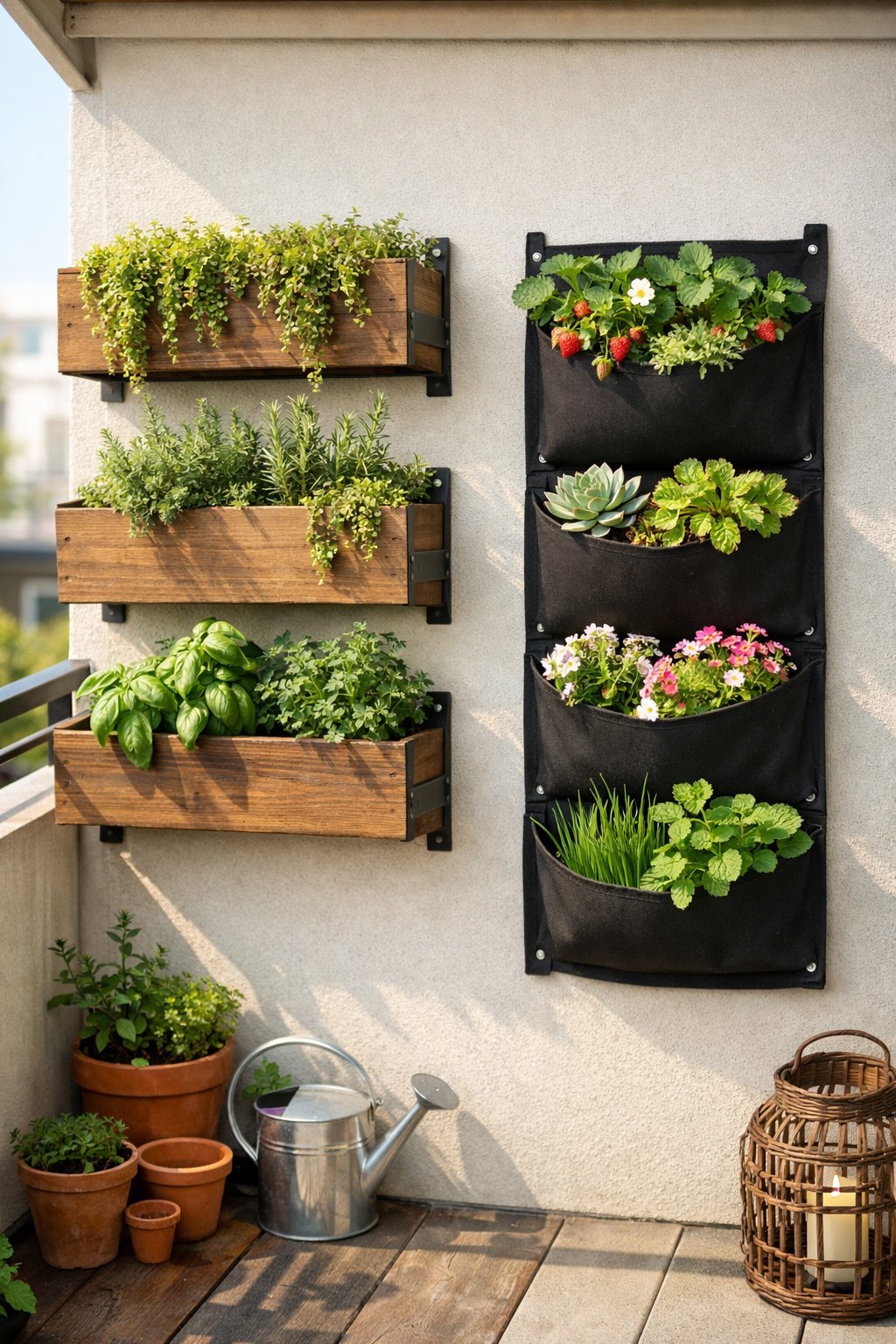
Wall-mounted planters help you grow plants without using floor space.
You can attach shallow wooden boxes or hanging fabric pockets directly to your walls or fences.
These vertical setups work well for herbs, small flowers, and compact vegetables.
Wall-mounted pocket gardens keep everything organized and easy to reach when you need to water or harvest.
You can install them on balconies, patios, or even inside your home.
They add greenery while saving valuable space.
9. Creating a cozy seating nook with slim benches
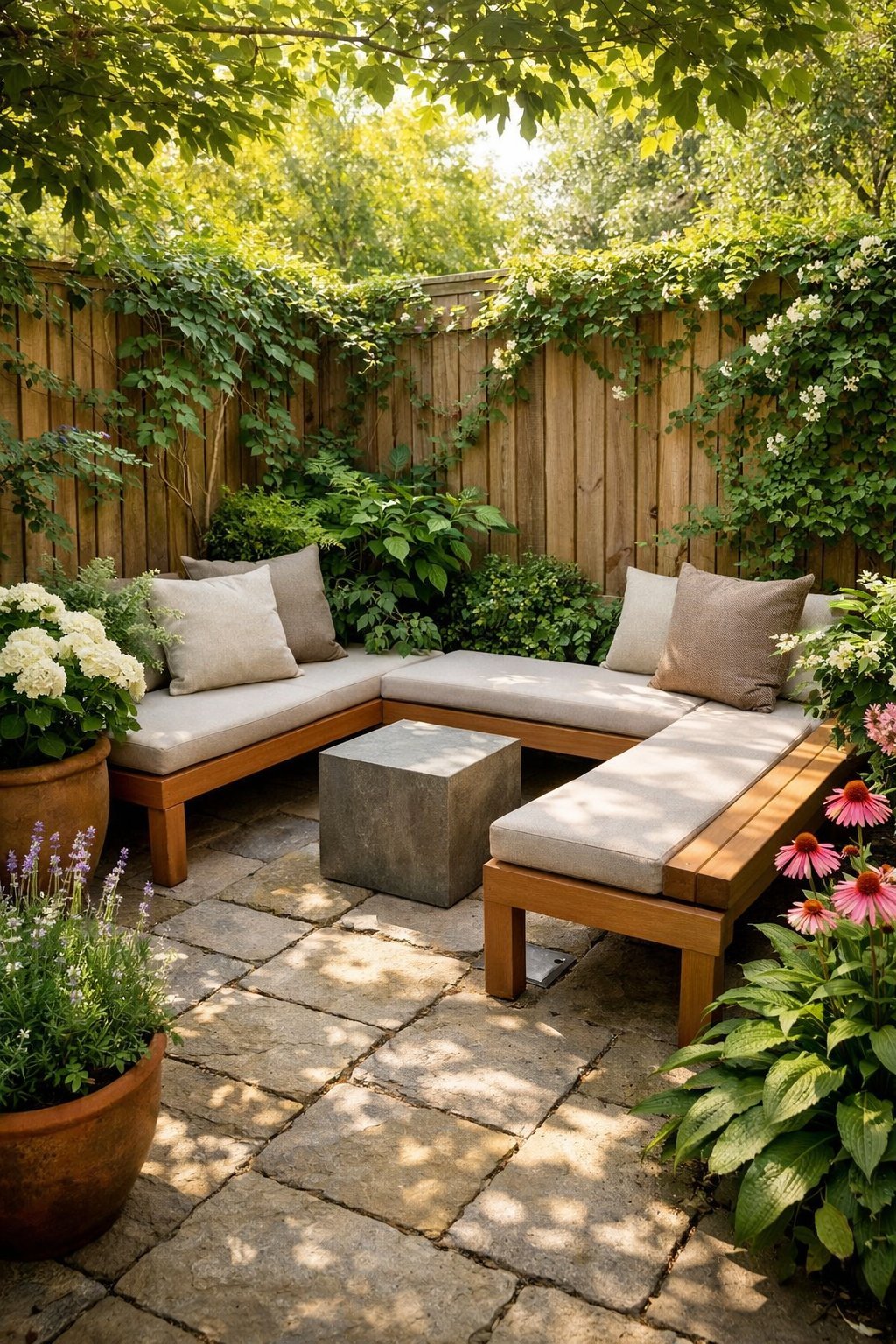
You can turn any corner of your small garden into a relaxing retreat with a slim bench.
Choose a narrow wooden or metal bench that fits your tight space without overwhelming it.
Add some colorful cushions to make your garden corner seating area more comfortable.
Place your bench under a tree or against a fence for a sense of privacy.
Surround it with potted plants or climbing vines to create a natural screen.
This simple setup gives you a peaceful spot to read or enjoy your morning coffee.
10. Adding water features like small fountains
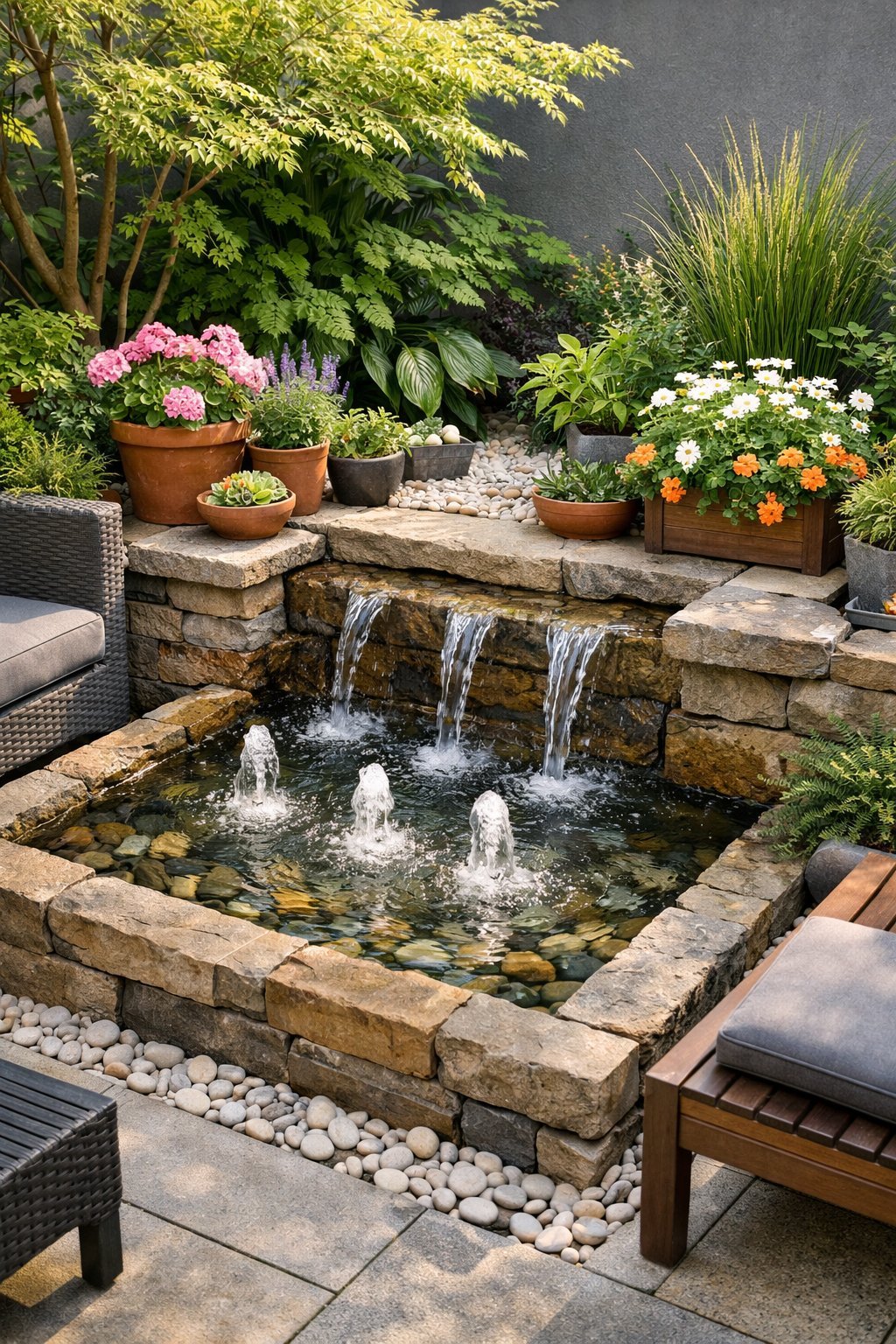
You can totally transform a tiny garden with a water feature that actually fits your space. Wall-mounted fountains and tiered bowl designs work surprisingly well in cramped spots and won’t hog precious floor space.
The gentle sound of flowing water brings a peaceful vibe to any garden. Solar-powered options are super easy to set up since you don’t have to mess with wiring.
Small fountains attract birds, and they add a splash of visual interest to bare corners or lonely walls. There are loads of pre-made kits out there, so even if you’re new to this, setup isn’t a headache.